 RE
RE 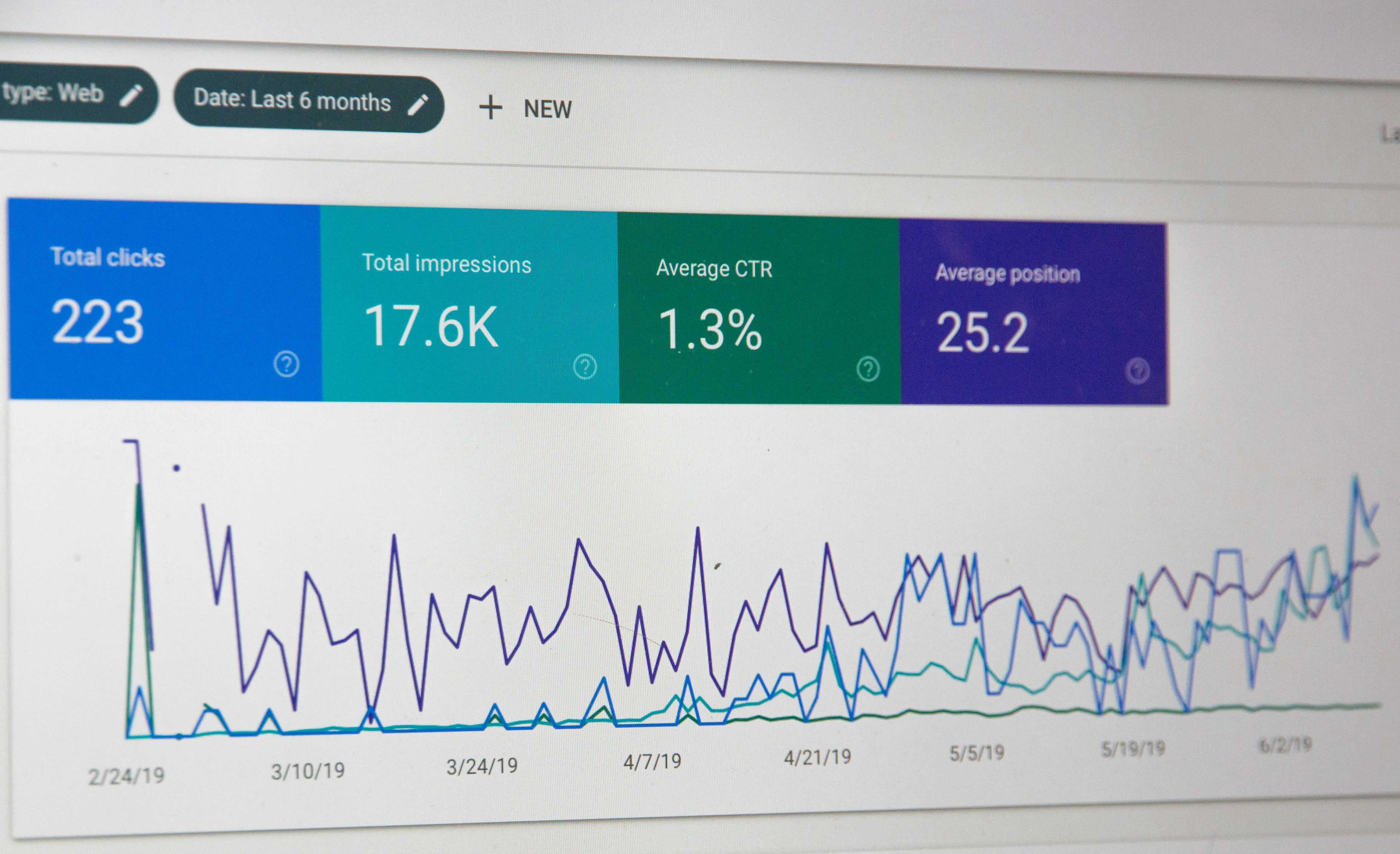
Core Web Vitals in 2026...
10/19/2026
Google's May 2026 Core Update is rolling out now. Here's what changed, who's affected, and what SMEs and local businesses should do.
If you've checked your Google Analytics this week and noticed your traffic moving in unexpected directions, you're not imagining things. On May 21, 2026, Google officially began rolling out its May 2026 Core Update — and it's already creating visible ranking shifts across industries. The rollout is expected to take about two weeks, which means the dust hasn't fully settled yet. But that doesn't mean you should sit on your hands.
Here's what we know so far, why it matters for SMEs and startups, and what you can actually do about it.
Google releases core updates several times a year. Unlike small tweaks that target specific issues like spam or page speed, core updates recalibrate how Google's algorithm evaluates the overall quality and relevance of content across the web. They don't penalize sites in the traditional sense — instead, they re-rank everything based on a refined understanding of what constitutes genuinely helpful, trustworthy content.
The May 2026 update continues a trajectory Google has been on for the past few years: moving away from keyword-stuffed, volume-driven content toward real expertise, demonstrated credibility, and user-first design.
Early reports from SEO professionals point to noticeable volatility across several sectors: finance, healthcare, local services, and e-commerce are seeing the most movement. If you're a home services business, a legal firm, or a local consultancy, pay close attention — these categories are experiencing some of the biggest shifts.
What's hurting sites right now? Templated content that swaps in city or location names without adding anything genuinely useful. Thin pages. Sites that look polished on the surface but offer little in the way of real authorship or verified expertise. Google has gotten better at distinguishing between a website that looks professional and one that's actually run by people who know what they're talking about.
On the flip side, businesses that have invested in substantive, well-structured content — the kind that actually answers questions and demonstrates real knowledge — are holding steady or moving up. Google is actively rewarding topical authority and consistent user experience.
This update also coincides with Google completing its full mobile-first indexing rollout. There are no more grace periods. If your website still performs poorly on mobile — slow load times, broken layouts, difficult navigation — your rankings will reflect that, full stop. With mobile devices now accounting for over 64% of global web traffic, this isn't a niche concern for tech-savvy audiences; it's the baseline expectation for any business with an online presence.
For small businesses especially, this is the moment to audit your site's mobile experience with fresh eyes. Not just whether it "works" on a phone, but whether it's actually pleasant to use.
This is where a lot of businesses are getting caught off guard. The May 2026 update has sharpened Google's ability to detect AI-generated content that lacks real editorial oversight or genuine expertise signals. That doesn't mean AI content is categorically penalized — but content that is purely volume-driven, without authentic authorship or meaningful depth, is increasingly being filtered out.
If your content strategy has leaned heavily on automated generation without a human layer of review and expert insight, now is a good time to reassess. Quality, not quantity, is what the algorithm rewards in 2026.
One of the more nuanced shifts this update is reinforcing is that local SEO success is no longer just about your organic ranking position. Where your business appears across the full search result — organic listings, your Google Business Profile, map packs, review visibility, local service ads — all matter. A business that ranks #4 in organic results but has a strong, well-maintained GBP listing, solid reviews, and consistent local citations can still outperform competitors sitting at #1.
For businesses in Denton, Fort Worth, or anywhere else competing in local markets, this is a timely reminder that your digital footprint extends well beyond your website's main pages.
The worst thing you can do during a core update rollout is panic and make sweeping changes. Google explicitly cautions against reactionary SEO moves while an update is still rolling out — you may be misreading temporary fluctuations as permanent shifts. Give it two to three weeks before drawing any firm conclusions about how the update has affected your site.
That said, there are constructive things to do right now:
Audit your content for depth and authenticity. Go through your top landing pages and blog posts. Are they genuinely useful? Do they reflect real expertise? If they read like they were produced to hit keyword targets rather than help a real person, that's worth addressing.
Check your mobile experience thoroughly. Use Google's own tools — Search Console, PageSpeed Insights — to identify mobile performance issues. Even small improvements in Core Web Vitals can make a meaningful difference.
Strengthen your Google Business Profile. Make sure your profile is complete, current, and actively maintained. Respond to reviews. Post updates. Add photos. These signals matter more than ever in local search.
Verify your site's trust signals. Clear authorship, an "About" page that actually communicates who is behind the business, consistent contact information, and a professional SSL-secured site are all small things that collectively signal credibility to Google.
Core updates can feel overwhelming — especially when you're running a business and SEO isn't your full-time focus. At NBF Core, we work with startups and SMEs across the US, Europe, and Africa to build search strategies that are built to last, not just optimized for the latest algorithm snapshot. Whether it's a full SEO audit, content strategy, or technical site improvements, our team knows how to read the signals and take action that actually moves the needle.
If you're concerned about how this update might be affecting your visibility, or you simply want a second opinion on your current SEO standing, reach out to the NBF Core team. We're happy to take a look and point you in the right direction.